Jonas Klein · 4 November 2026
Families in the Toreno Area Modify Daily Habits Following School Tablet Program Launch
Schools across Toreno began distributing tablets to students in September 2026 as part of a curriculum shift that integrates digital tools into core subjects, and households throughout the region have responded by reorganizing evening schedules to accommodate new homework formats. Parents report setting aside dedicated time slots for device charging and software updates while coordinating with teachers through online portals that track assignment progress in real time.
Adjustments in Household Routines
Many families now designate specific areas in living rooms or kitchens as study zones equipped with charging stations and Wi-Fi boosters, since the tablets require consistent connectivity for interactive lessons that include video modules and collaborative projects. Data from the regional education department shows enrollment in after-school support sessions rose by 18 percent between October and November 2026, indicating households seek additional guidance on navigating the platform interfaces.
Children in elementary grades receive tablets preloaded with applications aligned to mathematics and language arts standards, whereas secondary students access subject-specific resources that allow annotation of digital texts and submission of multimedia reports. Observers note that siblings often share devices during peak hours, prompting some parents to establish rotation systems that prevent conflicts over screen access.
Community Support Networks Form
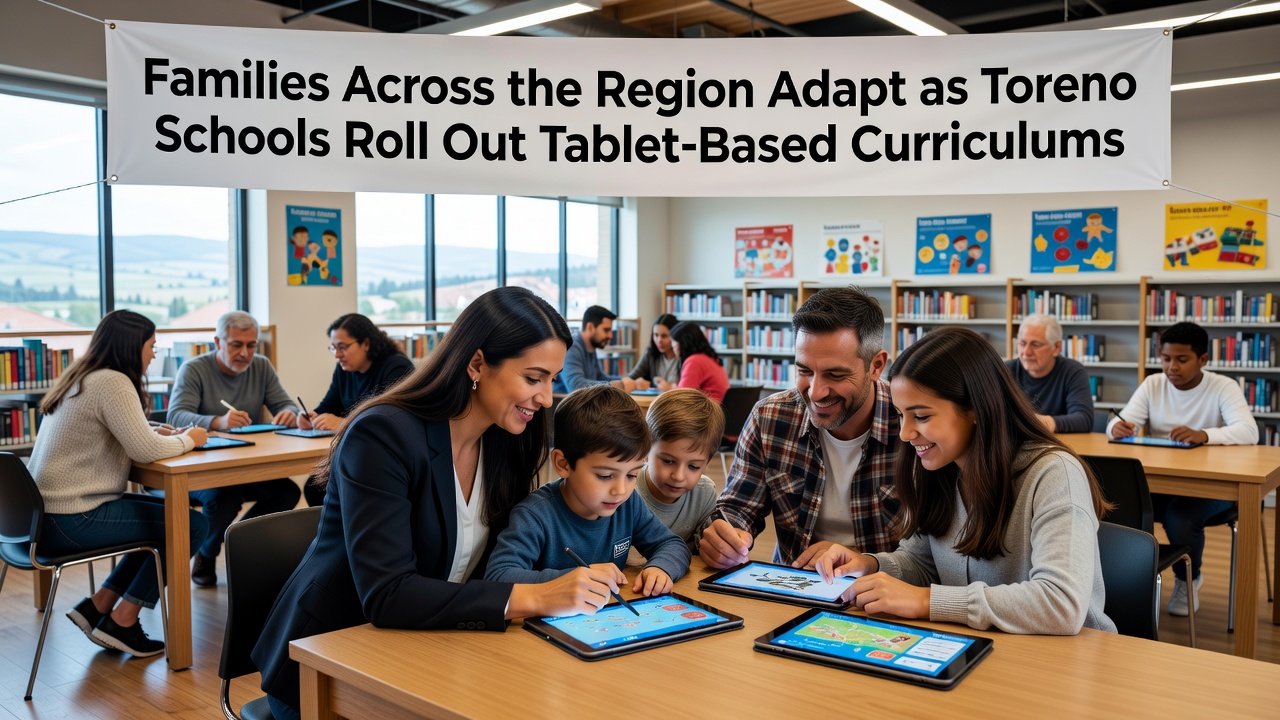
Local libraries in Toreno expanded their technology workshops in early November 2026 to include sessions on managing tablet security settings and troubleshooting common connectivity issues, drawing attendance from more than 200 households in the first month alone. These programs pair experienced volunteers with newcomers to the system, creating informal mentoring pairs that extend beyond the library walls through shared messaging groups.
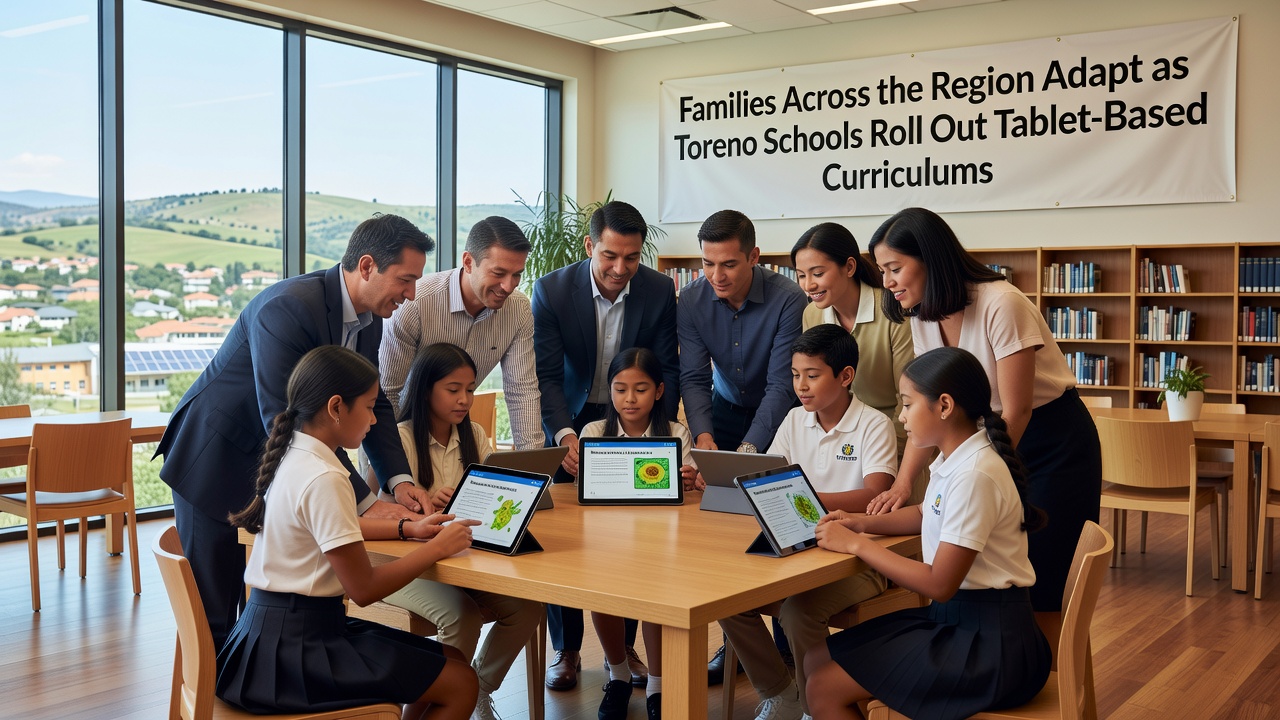
According to figures released by the OECD in its 2025 digital learning review, regions that introduced similar tablet programs observed measurable increases in parental involvement when training resources were made available at community sites. Toreno's approach mirrors that pattern, with parent-teacher associations organizing monthly webinars that demonstrate how to monitor usage logs without invading student privacy.
Observed Patterns in Device Management
Researchers tracking the rollout through surveys distributed by the Toreno school district found that 62 percent of responding families established new rules around device storage overnight, often locking tablets in shared cabinets after 9 p.m. to align with existing bedtime protocols. This adjustment stems from concerns about battery drain and unintended notifications that could interrupt sleep cycles, particularly for younger students whose assignments now incorporate optional evening review games.
Take one household in the eastern district where two children attend different grade levels; the parents created a shared calendar that flags when each tablet needs synchronization with school servers, reducing instances of incomplete uploads that previously triggered teacher follow-ups. Similar strategies appear in other homes where multiple students navigate staggered due dates for digital submissions.
Resource Allocation Across the Region
School administrators coordinated bulk purchases of protective cases and screen covers through a centralized vendor contract finalized in August 2026, ensuring every device issued carries the same durability standards. Families supplement these provisions with additional accessories purchased independently, leading to a noticeable uptick in local electronics retail sales during October according to chamber of commerce records.
Training materials provided by the district emphasize responsible data handling, and several parent groups have formed discussion circles that meet biweekly to exchange tips on filtering content and setting usage timers. These gatherings occur both in person at community centers and through video calls, reflecting the hybrid nature of the curriculum itself.
Conclusion
The integration of tablet-based curriculums continues to prompt incremental changes in how families structure time and space around learning activities, with patterns emerging from aggregated feedback collected through district portals. As the program advances past its initial November 2026 benchmarks, ongoing data collection from participating schools will document further adaptations in household practices across the region.